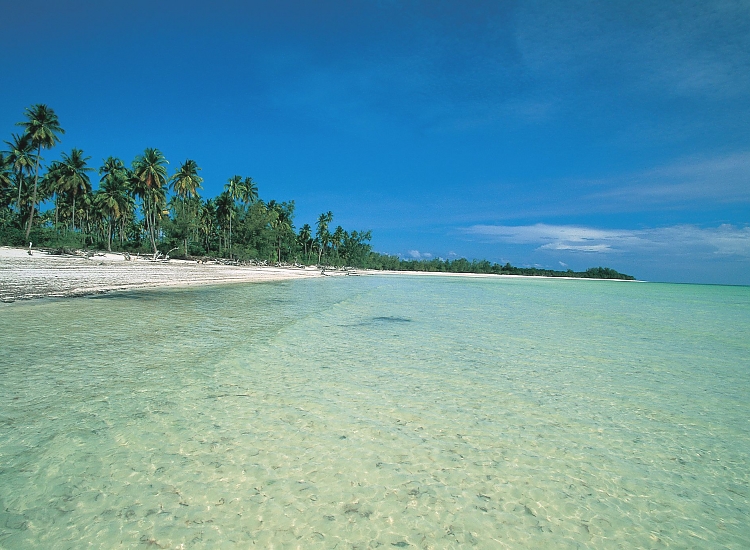
Kilwa is one of six administrative districts of Lindi Region in Tanzania. It has a total area of 13,347.50 square kilometers, Kilwa district has 5 Islands, with the largest one being Kilwa Kisiwani. The other islands in the Kilwa archipelago are Island and Songo Mnara Island. In addition, the Songosongo Islands archipelago is composed of 21 coral reefs including the 4 coral islands. The four Islands in the archipelago are Fanjove, Nyuni Island, Songo Songo and Okuza Island. Kilwa District is home to Pindiro Forest Reserve where albino hippopotamuses have been observed.
The Matandu River is the largest river running west to east of Kilwa district. The other rivers found in the district are the Mbwemkuru River, Matandu River and the Mavuji River. There is also a cave system in Kipatimu ward, the Nan’goma Cave. The cave system is located in the Matumbi Highlands which are shared between Kilwa District and Rufiji District in Pwani Region.
Historicaly he area that is now Kilwa district has been inhabited by humans for thousands of years. The area is the ancestral home to three Bantu people groups, namely the Mwera people and the Matumbi people together with the Machinga people. The Matumbi being historically the majority native group inhabiting the most land in the district. They are the natives of the entire central and northern Kilwa district and Kilwa’s islands. The Machinga people are native to the south eastern section of the district to the border with Lindi District. The Mwera inhabit the south west part of the district.
The three tribes became swahilized in the 9th century with the arrival of Islam in the region transforming the region to its being one of the wealthiest Swahili city states on the continent by the 14th century. Kilwa district is known globally for its Middle Ages Swahili historical sites from Middle Ages on the islands Kilwa Kisiwani and Songo Mnara which are part of the seven Tanzanian World Heritage Site.
The Swahili city-state of Kilwa was once the greatest Swahili port city that met an unfortunate end on July 1505 when the Portuguese burned and looted the city. In the 1866 the area of what is now Kilwa district was occupied by Germans who established their headquarters at Kilwa Kivinje and used it as a base to quell the Maji Maji rebellion that was based on the Matumbi Hills north of the Kilwa district.
In 1918 when Tanganyika became a British protectorate, Kilwa Masoko was chosen as it is the district seat and they built a deepwater port to assist with their commercial vessels. To this day Kilwa Masoko remains the capital of Kilwa district. During the British occupation the district was one of six councils established in 1947 in Lindi region. Post-independence, in 1984 Kilwa was officially designated as a district council.